How Hot Should a Pizza Oven Be? The Deck Temperature Is the One That Matters

Updated: 9 hours ago
Direct answer: There is no single pizza oven temperature, because every pizza oven runs two temperatures at once: the deck (the floor the pizza sits on) and the dome or air above it. The deck temperature is the one that decides your crust. For Neapolitan, the official standard is a deck of 716 to 806 °F (380 to 430 °C) with the dome near 905 °F (485 °C), baking in 60 to 90 seconds. New York style runs a deck of 550 to 650 °F (288 to 343 °C) for 6 to 8 minutes. Match the deck to the style, measure the floor itself, and ignore the dial until you have verified it against the deck.
Two temperatures, one pizza
A pizza cooks from two directions at the same time. From below, the deck pours heat into the crust by conduction, direct contact. From above, hot air and radiant heat from the dome or flame cook the top and melt the cheese. When those two are in balance, the bottom crisps at the same rate the top finishes. When they are not, you get the two classic failures: a charred bottom with raw toppings, or a pale, floppy crust under a browned top.
The thermometer built into most ovens measures air temperature, somewhere in the cavity. It tells you almost nothing about the deck. A deck oven can read 600 °F in the air while the floor sits at 480 °F because it was never fully soaked with heat, and every pizza that lands on it comes out underdone underneath. This is the same trap as searing pepper: the surface temperature is the story, not the number on the dial.
The numbers, by style
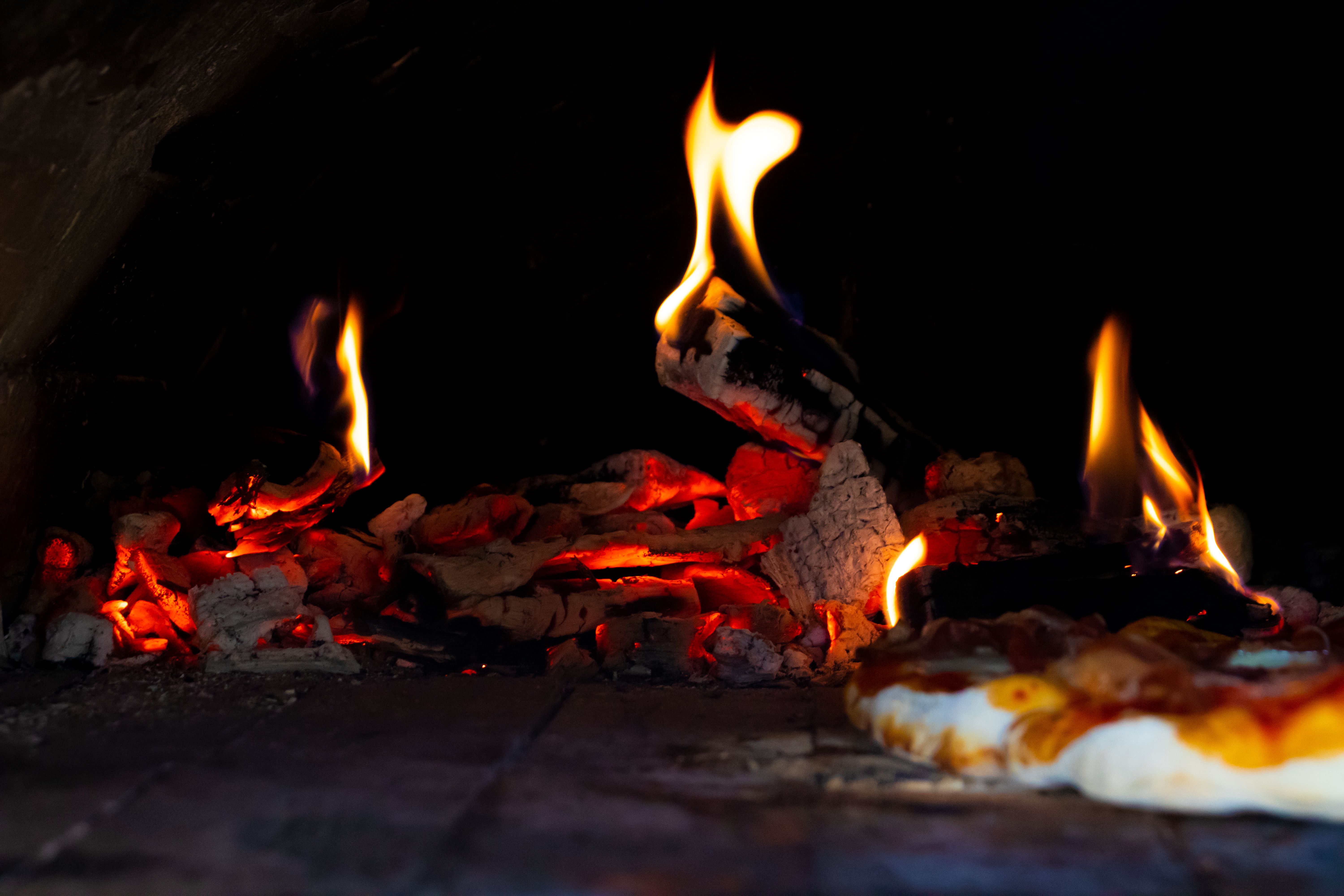
Neapolitan.The AVPN, the body that certifies true Neapolitan pizza, specifies a baking surface of about 380 to 430 °C (716 to 806 °F) and a dome of about 485 °C (905 °F), with the whole bake done in 60 to 90 seconds. That extreme top heat is what puffs the rim and blisters it with leopard spots while the center stays soft and foldable.
New York style.Deck ovens run 550 to 650 °F (288 to 343 °C), bake time 6 to 8 minutes. The dough carries a little oil and sugar, which brown and eventually burn at Neapolitan temperatures over a long bake. The lower deck and longer time are not a compromise; they are what the style is built on.
Detroit and pan styles.Around 550 to 600 °F (288 to 316 °C) in the oven, with the pan doing the work: the metal conducts heat into the edges and fries the cheese border against the sides. The deck temp matters less because the pan is the cooking surface.
Home oven, any style.Max it out, 500 to 550 °F (260 to 288 °C) for most residential ovens, with a steel or stone fully preheated, and use the broiler to finish the top. More on this below, because the home game is a different game.
Why the floor material changes the number
The same deck temperature does not cook the same on every floor, because materials conduct heat at very different rates. The traditional Neapolitan floor, biscotto, is a low-conductivity clay that gives up its heat slowly; it can sit at 800 °F without instantly scorching the bottom because the heat transfer is gentle. Steel is the opposite: it conducts roughly an order of magnitude faster than stone, which is why Kenji López-Alt warns that a steel at 500 °F can start burning a pizza bottom in 60 to 90 seconds. A steel deck at 550 °F hits a crust harder than a biscotto deck at 800 °F.
This is why copying a temperature from a video of a different oven fails. The number only means something on the floor material it was measured on, with the dough that was built for it.
Recovery: the temperature nobody talks about
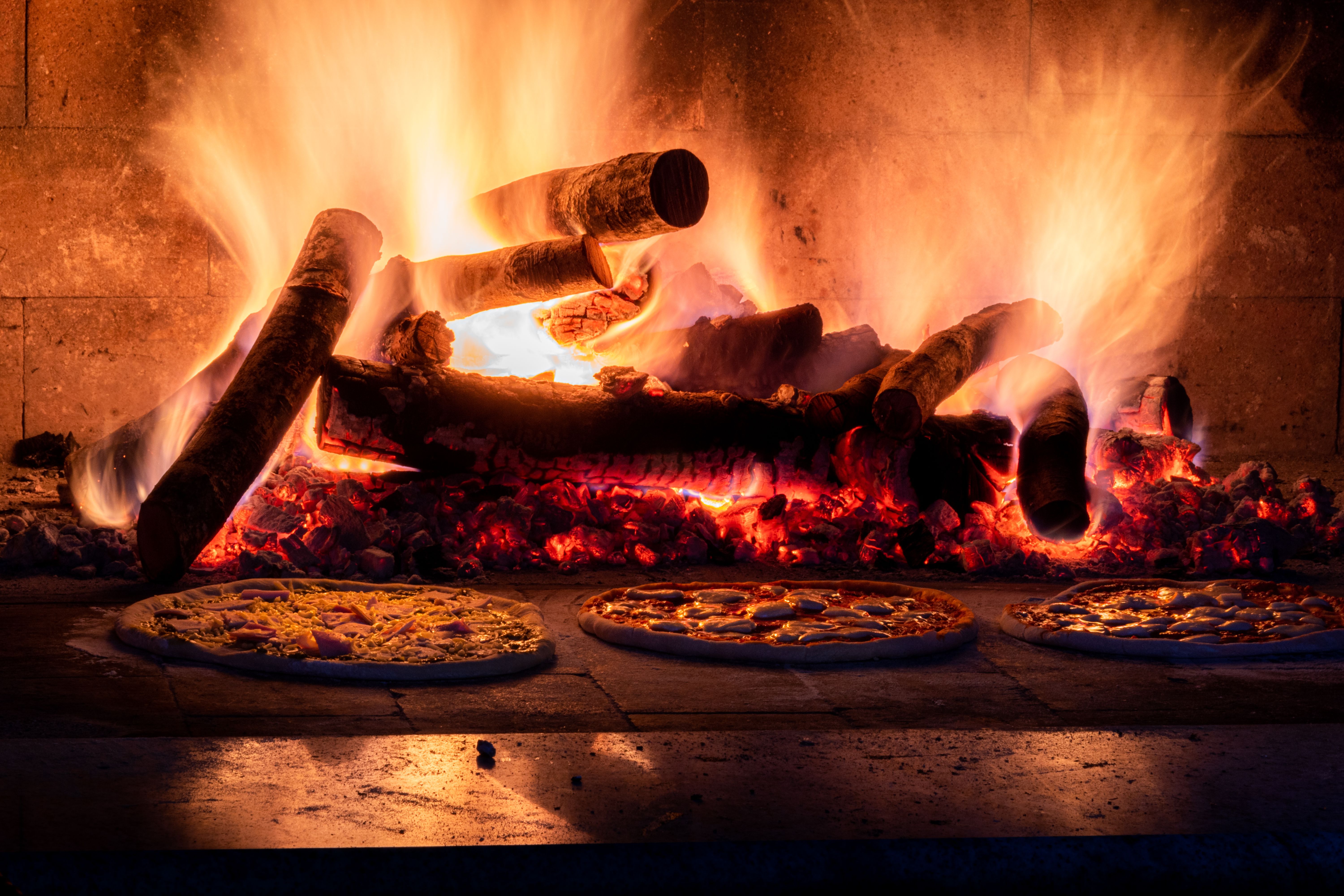
Every pizza you launch steals heat from the deck. The cold, wet dough pulls the floor temperature down where it lands, and the deck needs time and burner or fire input to recover before the next one. In a home oven, back to back pizzas on a thin stone get progressively paler because the stone never recovers. In a pizzeria at full service, the pizzaiolo works different spots on the floor in rotation for exactly this reason.
Two habits fix most recovery problems. First, soak the deck properly before the first pizza: a commercial deck oven wants 45 to 60 minutes at temperature, a home stone or steel at least 45 minutes at max, because the dial reaching temperature and the floor being saturated are different events separated by half an hour. Second, give the floor a few minutes between pizzas, and rotate landing spots.
How to measure what matters
Use an infrared thermometer gun aimed at the deck itself, a few inches in from where the pizza will land. It reads surface temperature, which is the number this whole post is about. Thirty dollars, and it ends all guessing.
Verify the built-in dial once against the IR gun and remember the offset. Many deck ovens read optimistic. After that one check, you can trust the dial as a relative gauge.
For wood fired ovens without a dial, the old tests still work: flour tossed on the deck should turn golden in a few seconds, not blacken instantly or sit white. But the IR gun is better, and every serious pizzaiolo I know uses one.
The home oven reality
A home oven cannot make true Neapolitan pizza, and it is worth saying plainly: the physics are not there. The deck tops out 250 °F below the AVPN floor, so the 60 to 90 second bake is impossible, and stretching the time dries the crust out. Kenji's advice, which I give in demos too, is to pick a style that fits the oven: New York style dough with a little oil in it is built for 550 °F and a 6 to 7 minute bake, and it comes out genuinely great.
To get closest to the high-heat result at home: steel on the top rack, oven at its maximum for a full 45 to 60 minutes, pizza launched, then the broiler for the final minute or two to blister the rim and finish the top. The steel gives you the bottom heat conduction, the broiler impersonates the dome. It is not Naples. It is very good pizza, honestly made.
Questions I get about pizza oven temperature
Is hotter always better for pizza? No. Hotter is correct only for the styles built for it. Put a New York dough with sugar and oil in a 900 °F oven and the outside burns before the inside sets. Temperature is matched to dough formula and bake time, not maximized.
My oven dial says 600 °F but the bottoms are pale. What is wrong? Almost always an unsoaked deck. The air hit 600 °F long before the floor did. Preheat longer, verify the floor with an IR gun, and let the deck recover between pizzas.
Stone or steel for a home oven? Steel, for most people. It conducts faster, recovers quicker, and browns bottoms at temperatures a home oven can actually reach. Stone is more forgiving of a too-long bake because it is gentler.
How long should a pizza oven preheat? Until the deck is saturated, not until the dial beeps. Commercial decks: 45 to 60 minutes minimum. Home steel or stone at max: 45 minutes. Countertop electric and outdoor gas pizza ovens are smaller and faster, 15 to 25 minutes is typical, and their manuals are the source to follow for your model.
---
Get the deck right and pizza stops being luck. The pattern across all of this is the same one in the black pepper post: surfaces cook food, dials and habits mislead, and the cook who measures the actual surface wins. This is the kind of equipment fundamentals I teach in training sessions and demo at events for brands and restaurants.
About the author
Andres Dangond is an executive chef and culinary consultant whose twenty years cover every corner of the industry: trained at Alinea and L2O in Chicago, chef owner of Alvecino in Bogotá, executive chef and partner at The Cut in Orange County, expedition cooking in the Alaskan wilds, and nearly a decade as Executive Chef and Director of Culinary Development at Lynx Grills under Middleby, alongside serving as the U.S. Brand Ambassador for Josper. Across his Middleby years he cooked on and demonstrated the residential portfolio, pizza ovens included. He consults on menu and recipe development, trains chefs and owners on cooking equipment, and works as a demo and event chef for equipment brands nationwide.
Sources drawn on for this post: the AVPN International Regulations (Disciplinare), baking surface 380 to 430 °C, dome about 485 °C, bake 60 to 90 seconds; J. Kenji López-Alt, The Food Lab and Serious Eats, on baking steels, conduction and home oven strategy.


Comments