Your Eggs Are Only As Good As What The Chicken Ate

A good egg is decided before it is laid. The hen, what she ate, and how she lived decide the yolk, the white, and the flavor. Crack a good one into a bowl and you can see it: a tall, domed yolk, a thick white that hugs it, and a deep orange color from a real diet, not a feed additive. Crack a bad one and the yolk sits flat, the white spreads thin, and the whole thing tastes like nothing. This is how to tell the difference before you buy, and how to check what you already have at home.
A good egg is decided before it is laid.
What a chicken actually eats
A chicken is an omnivore and a barnyard scavenger by nature. Left to herself she eats grass, clover, seeds, fruit, table scraps, and whatever she can scratch up: bugs, worms, grubs, anything small that moves. Protein comes from insects. Pigments come from green plants. Minerals come from the ground she scratches.
A commercial laying hen eats none of that. She eats a formulated feed built mostly on corn and soybean meal. It is balanced on paper, with enough protein and calcium to keep her laying, and it is designed for two things: speed and cost. A hen on grain feed lays fast and cheap. That is the whole point of the system. It is not built to make a better egg. It is built to make more eggs for less money.
The difference shows up in the egg. Grass and insects change the fat profile and the yolk. Corn and soy alone make an egg that is fine, safe, and consistent, but flat. Same shell, same protein, different egg inside.
One label to watch for here is "vegetarian-fed." It sounds wholesome. It means the hens were fed a diet with no animal byproducts. No bugs, no worms, no insects of any kind. For a bird that is naturally an omnivore, that is not a selling point. It is a diet that removes the exact foods that make a good egg.
The yolk tells the story
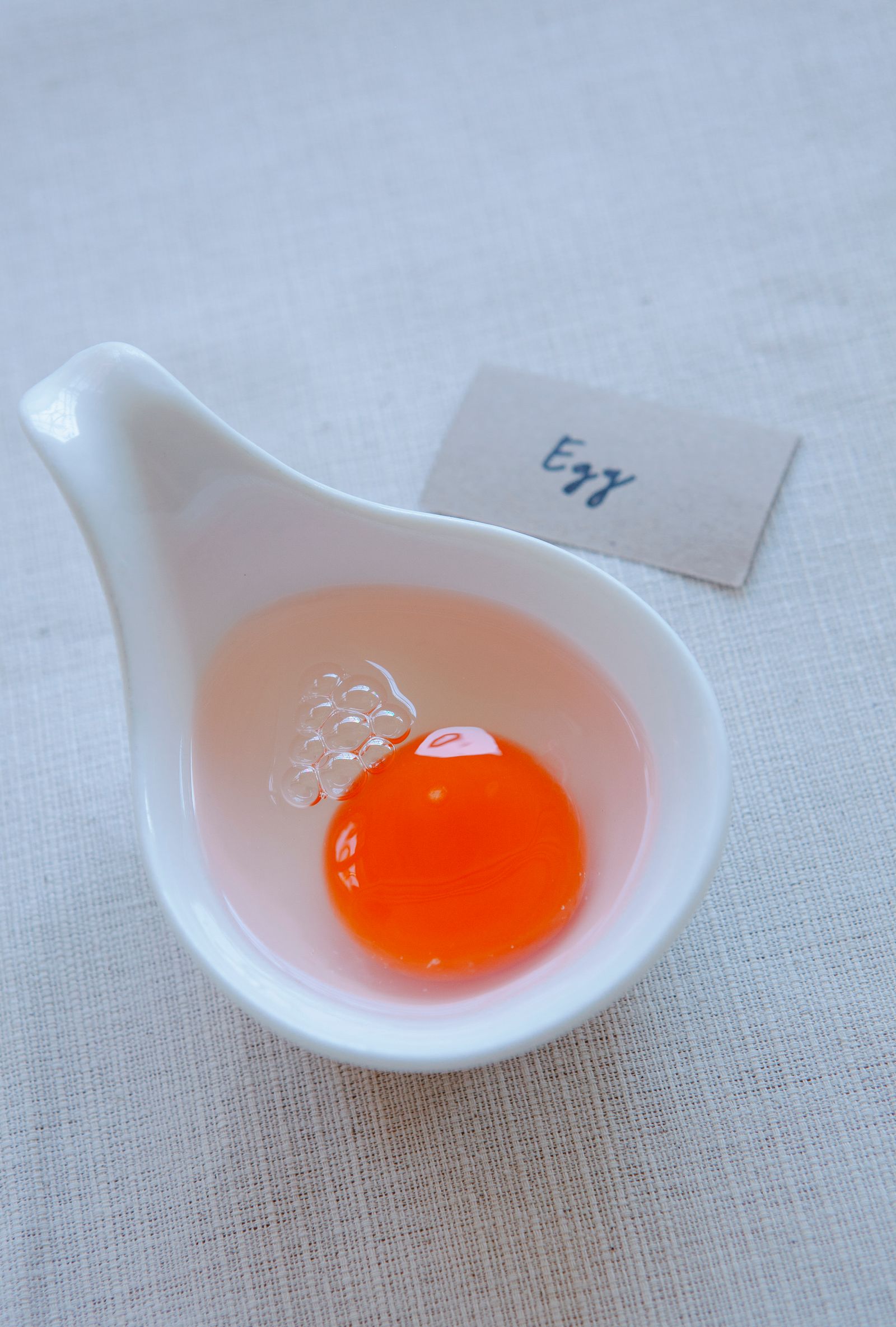
Yolk color comes from pigments called carotenoids, mostly xanthophylls like lutein and zeaxanthin. A hen cannot make these herself. She absorbs them from food and deposits them into the yolk. Grass, clover, dandelion greens, and alfalfa are loaded with them. So are the insects she eats while foraging. The more carotenoids in her diet, the deeper the yolk, from pale yellow to gold to deep orange.
A pale yellow yolk usually means a hen on a grain-only diet. Corn has some xanthophylls, which is why even a conventional yolk is yellow instead of white. Wheat and barley have almost none, so hens fed on those lay very pale yolks. A deep orange yolk usually means a hen that spent real time outside eating greens and bugs.
There is a catch. Yolk color can be faked. Producers darken yolks by adding marigold flower extract or paprika extract to conventional feed. It is legal, it is common, and the yolk comes out orange without the hen ever seeing a pasture. Color is a clue, not proof. An orange yolk from a carton that says nothing about how the hens lived might just be a colored yolk.
Color does not decide flavor by itself. In blind tastings, tasters could not reliably pick the better egg by yolk color alone. But the eggs that ranked at the top, described as richer and creamier, were the pastured eggs and the high omega-3 eggs. The color was a sign of the diet, and the diet was what made the difference.
The shell tells a story too
Some eggs crack if you look at them wrong. Others take a real tap on the bowl. That is not luck. It is the hen.
A shell is about 95 percent calcium carbonate, laid down over roughly 20 hours, and each egg pulls about 2 grams of calcium out of the hen. A hard shell means the hen had calcium to spare and the time to lay it down right. A thin shell means something was short: an older hen, a diet light on calcium, heat stress, or a bird under strain.
Age is the biggest factor. As a hen gets older she lays bigger eggs, and the same amount of calcium gets spread over a larger shell, so it comes out thinner. Her ability to absorb calcium drops too. A young hen on a good diet with real sunlight lays a hard shell. An old hen at the end of a long laying cycle lays a thin one. That is also why the shell matters for safety. A thin shell cracks more easily, and a crack is an open door for bacteria.
So yes, hardness is a real tell. It tells you about the hen, the same way the yolk tells you about her diet. It does not guarantee what is inside. A hard shell from a hen on grain feed still holds a flat, pale egg. But a thin, fragile shell is a warning sign, and a hard one is one more reason to trust the carton.
A rough or wrinkled shell is a different signal. Something interrupted the shell as it formed, usually stress or illness in the hen. One rough egg in a carton is nothing. A whole carton of them means the flock had a problem.
The labels, translated
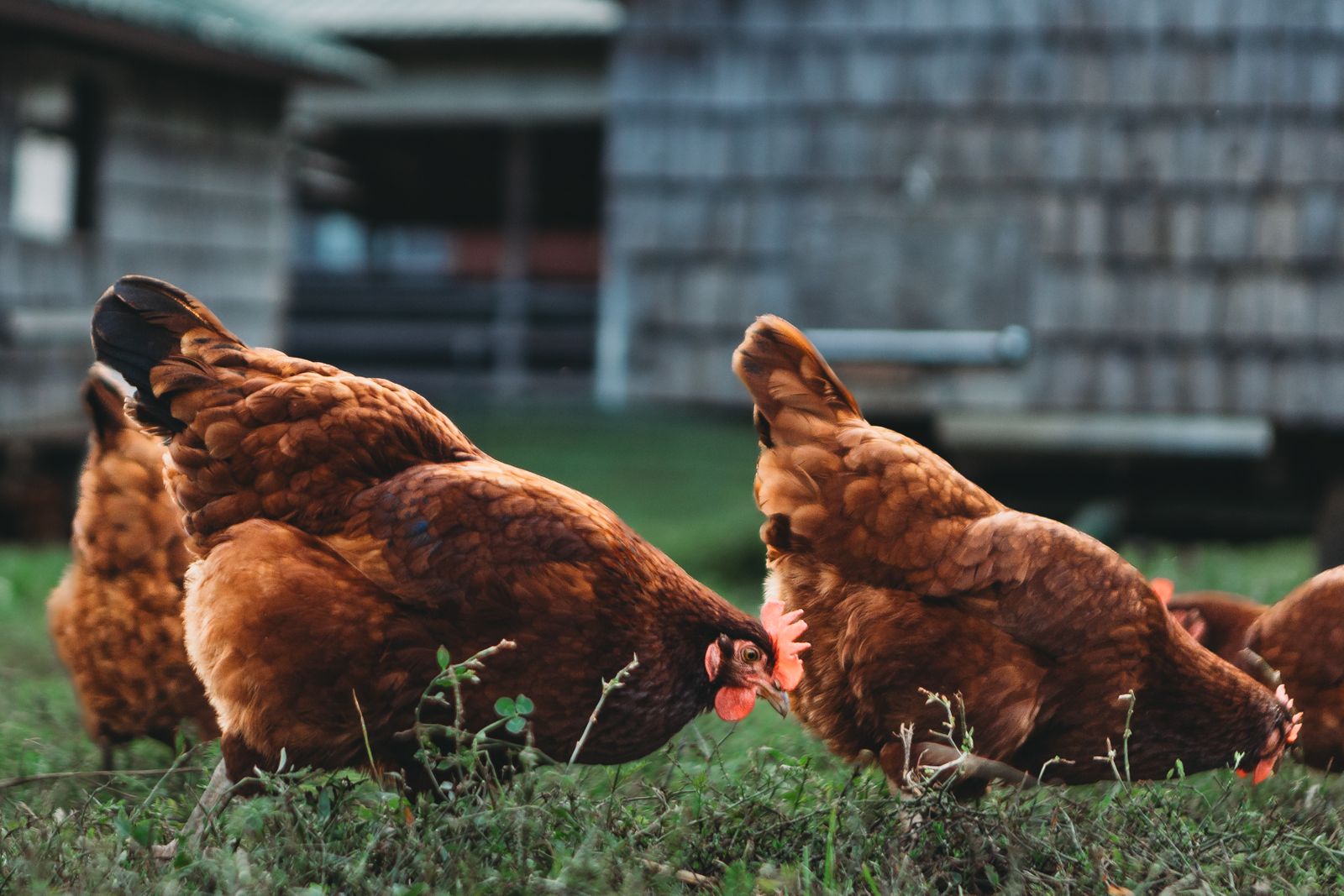
The egg aisle is full of words that sound like they mean the same thing. They do not.
Cage-free means the hens are not in cages. That is all it means. They live indoors in a barn, often crowded, with no outdoor access. The diet is the same corn and soy feed. A small step up in welfare, almost no step up in the egg.
Free-range means the hens have access to the outdoors. The USDA requires only that producers show the birds were allowed outside. It does not define how much space, how long, or what the outside looks like. A small concrete pad with a door open part of the day can satisfy it. The diet is still mostly feed, and the egg is usually no different from a cage-free one.
Pasture-raised is the label that actually changes the egg, but only when it is certified. Under the Certified Humane standard, each hen gets at least 108 square feet of rotated pasture and at least six hours outdoors a day, foraging on grass, eating bugs and worms, getting real sunlight. The USDA does not enforce one strict definition of pasture-raised, so an uncertified carton is only as good as the farm behind it. Look for the certification, not just the word.
Organic means the hens were fed organic feed, no antibiotics, no pesticides, and kept cage-free with outdoor access. An organic egg is always free-range, but a free-range egg is not always organic. Organic says something real about the feed. It says nothing about whether the hen ever foraged.
Omega-3 on a carton usually means the hens were fed flaxseed or fish oil to raise the omega-3 content of the yolk. It works. It is still a shortcut. A pastured hen gets her omega-3s from the insects and greens she eats, not from a supplement mixed into grain feed.
If you remember one line in the store, make it this one: pasture-raised and certified is the only label that guarantees the hen actually lived outside and ate what chickens are supposed to eat.
Pasture-raised and certified is the only label that guarantees the hen actually lived outside and ate what chickens are supposed to eat.
What the nutrition research shows
This is not just a taste argument. Research out of Penn State compared eggs from pastured hens with eggs from caged hens, and the gap was large. The pastured eggs had about twice the vitamin E, more than twice the omega-3 fats, and about 38 percent more vitamin A. The omega-6 to omega-3 ratio, the one that matters for inflammation, was less than half. Hens in sunlight also lay eggs with more vitamin D, made the same way you make it, from sun on skin.
None of that comes from a supplement. It comes from the diet and the life. Grass and insects put fat-soluble vitamins and omega-3s into the yolk. Sunlight puts vitamin D in. A hen in a barn on grain feed gets none of those inputs, so the egg has none of those outputs.
How to check freshness at home
Freshness starts with the date. Every egg carton in the United States carries a three-digit pack date, the Julian date, from 001 to 365. That is the day of the year the eggs were packed. The sell-by date next to it is the store's date, not yours, and can sit six weeks after packing. Ignore it. Read the pack date and pick the newest carton on the shelf.
The float test is the fastest check at home. Fill a bowl with cold water and lower the egg in gently. A very fresh egg sinks and lies flat. An older egg sinks but stands on end. An egg that floats is old. The shell is porous. Over time moisture leaves and the air cell inside grows, which makes the egg more buoyant. It tells you age, not safety, so a floating egg still gets a crack test before you decide.
Crack the egg into a clean bowl and look. A fresh egg has a tall, domed yolk and a thick white that stays close around it. An older egg has a flat yolk and a thin, watery white that spreads wide. That is the most reliable test you have. If the egg smells like sulfur, or the white has pink or green tints, throw it out.
Check the shell before any of that. It should be clean and uncracked. Toss any egg with a crack, a leak, or a slimy film. Shell color tells you nothing at all. It is decided by the breed of the hen. A brown egg and a white egg from the same flock are the same egg inside.
Match the egg to the job. Fresh eggs are best where shape matters: fried, poached, or anywhere you want a tight white and a tall yolk. Older eggs are better for scrambling, baking, and hard boiling. The looser white separates more easily, and an older egg peels cleaner. Age is not a defect. It is a different tool.
How to store them
Keep eggs in the carton, on a cold shelf inside the fridge, not in the door. The door opens and closes all day, and the temperature there moves with it. The carton protects the shell and keeps the eggs from picking up smells from the rest of the fridge. In the shell, in the fridge, eggs keep three to five weeks.
Store them large end up, the way they sit in the carton. That keeps the air cell in place and the yolk centered. If you cook a lot of hard-cooked eggs, rubber band the carton shut and lay it on its side in the fridge for a few days before you cook. The yolks center themselves, and the egg peels cleaner.
Here is where the rest of the world does it differently. In the United States, every commercial egg is washed and sanitized before it reaches the store. In most of Europe, washing eggs is prohibited. Same egg, opposite rules. The reason is what each system does about Salmonella, and it comes down to the bloom.
Every egg is laid with a thin, invisible coating called the bloom, or cuticle. It seals the roughly ten thousand tiny pores in the shell and keeps bacteria and moisture out. Wash it off and the shell is bare and porous. Leave it on and the egg carries its own protection.
The American system washes the egg clean, and washing strips the bloom. The wash is hot water with detergent, finished with a chlorine rinse at 100 to 200 parts per million. The chlorine is the point: it kills what is on the shell. But it also strips the bloom, the egg's own seal. Some eggs get a light spray of food-grade mineral oil afterward, a partial stand-in, but the natural seal is gone.
Once the bloom is gone, the shell is open, so the cold has to do the job the bloom used to do. That is why the US refrigerates: a washed egg must stay at 45 degrees or below, because without the bloom, warmth lets Salmonella grow fast. Refrigeration does not kill the bacteria. It just slows them down. And once an egg is cold it has to stay cold, because warming up puts condensation on the shell, and that moisture helps bacteria move through the pores. Refrigeration is not a habit. It is the replacement for the coating that was washed off.
The European system never washes the egg, so the bloom stays intact. Instead of cleaning the egg after it is laid, Europe controls Salmonella at the source: laying hens are vaccinated, flocks are tested, and the shell keeps its own seal. With the hen vaccinated and the bloom in place, the egg is safe on a dry shelf at room temperature for a couple of weeks.
Neither system is wrong. They just fight the same bacteria at different points. America cleans the egg and keeps it cold. Europe protects the hen and keeps the coating. What you cannot do is mix them. An American store egg has been washed, so it stays in the fridge. A European shelf egg was never washed, so it does not need the fridge. An unwashed egg from a local farm keeps its bloom too, which is why it can sit on the counter for a few weeks, as long as it was never refrigerated in the first place.
One more thing: an unrefrigerated egg ages about a week in a day. Eggs that were never refrigerated do not need to be, and eggs that were refrigerated should stay cold. Once they are cold, keep them cold.
The short version
A good egg comes from a hen that lived like a chicken: outside, on grass, eating bugs and worms and greens, with real sunlight. The yolk tells you a lot. Deep orange usually means a real diet, but color can be faked with feed additives, so look for certified pasture-raised. A hard shell is a good sign too. It points to a young hen with good calcium, and a thin shell points the other way. In the store, check the pack date, not the sell-by date. At home, crack into a bowl first: a tall yolk and a thick white mean fresh. Store them in the carton on a cold shelf, large end up. The egg is the simplest ingredient in the kitchen, and it is the one where the animal's life shows up most clearly on the plate.
Questions and answers
What is the best egg to buy at the store? Certified pasture-raised, if you can find it. It is the only label that guarantees the hen lived outside and ate what chickens are supposed to eat. Check the pack date too and pick the newest carton on the shelf.
Does yolk color mean the egg is better? Color is a clue, not proof. A deep orange yolk usually means a real diet of greens and bugs, but producers can darken yolks with marigold or paprika extract in feed. Look for certified pasture-raised, not just color.
What does pasture-raised actually mean? Under the Certified Humane standard, each hen gets at least 108 square feet of rotated pasture and at least six hours outdoors a day, foraging on grass, eating bugs and worms, getting real sunlight. The USDA does not enforce one strict definition, so look for the certification, not just the word.
Are brown eggs better than white eggs? No. Shell color is decided by the breed of the hen. A brown egg and a white egg from the same flock are the same egg inside.
How can I tell if an egg is still fresh? Read the pack date, the three-digit Julian date on the carton, and pick the newest. At home, crack into a bowl: a tall domed yolk and a thick white that hugs it mean fresh. The float test tells you age, not safety.
How should I store eggs at home? In the carton, on a cold shelf inside the fridge, not in the door, large end up. In the shell, in the fridge, eggs keep three to five weeks.
Why do Americans refrigerate eggs and Europeans do not? America washes its eggs, and washing strips the bloom, so the cold has to replace it. Europe never washes the egg and controls Salmonella by vaccinating the hens, so the bloom stays intact and the egg is safe at room temperature.
Does a hard shell mean a better egg? It is a real tell about the hen. A young hen with good calcium lays a hard shell, and a thin shell points to age, diet, or stress. It does not guarantee what is inside. A hard shell from a hen on grain feed still holds a flat, pale egg.
See all the tools I use on my Chef Recs page.
As an Amazon Associate I earn from qualifying purchases. Some links are affiliate links, and I may earn a commission if you buy through them, at no extra cost to you.
Andres Dangond is an executive chef and culinary consultant whose twenty years cover every corner of the industry: trained at Alinea and L2O in Chicago, chef owner of Alvecino in Bogotá, executive chef and partner at The Cut in Orange County, expedition cooking in the Alaskan wilds, and nearly a decade as Executive Chef and Director of Culinary Development at Lynx Grills under Middleby, alongside serving as the U.S. Brand Ambassador for Josper. He has spent twenty years in professional kitchens, from Alinea in Chicago to a decade running culinary development at Lynx Grills, and he buys eggs by the hen's life, not the label.


Comments